
gym mirror sheet
Understanding T-Slot Cast Iron Surface Plates T-slot cast iron surface plates are essential tools in precision engineering and manufacturing industries. They serve as flat, level surfaces that provide a stable base for various machining, assembly, and inspection processes. These plates are typically made from high-quality cast iron, known for its excellent stability and rigidity, making them an ideal choice for tasks that require utmost precision. The Structure and Design The defining feature of a T-slot surface plate is its T-shaped grooves. These grooves are strategically cut into the surface of the plate, allowing for the easy attachment of various fixtures and tools. This design not only enhances the versatility of the surface plate but also facilitates the secure positioning of workpieces during assembly or inspection. The T-slots provide flexibility in accommodating different setups, enabling machinists to customize their workspace according to the specific needs of their projects. Material Properties Cast iron is favored in the manufacturing of surface plates due to several inherent properties. Firstly, it is extremely durable and can withstand significant weight and pressure without warping or deforming. This durability ensures that the surface plate maintains its flatness over time, which is crucial for ensuring the accuracy of measurements and machining operations. Secondly, cast iron has a natural ability to dampen vibrations, which is key in high-precision tasks. Vibrations from nearby machines can significantly affect the accuracy of measurements and the quality of manufactured parts. A cast iron surface plate effectively minimizes these disturbances, contributing to more reliable results. Additionally, cast iron’s thermal stability plays an important role in maintaining accuracy . Surface plates made from this material can tolerate fluctuations in temperature without expanding or contracting, which helps in preserving the integrity of measurements. t slot cast iron surface plate Applications T-slot cast iron surface plates have a wide range of applications across various industries. In machining operations, they are used as reference planes for setups, ensuring that components are precisely aligned. In quality control, they serve as the basis for inspections, where measuring devices and gauges can be firmly mounted to verify the dimensions of manufactured parts. Moreover, these surface plates are prevalent in assembly processes, where they provide a stable platform for the construction of machines and equipment. Their versatility allows engineers and technicians to carry out multiple functions with a single tool, thereby enhancing productivity and efficiency. Maintenance and Care To ensure the longevity and effectiveness of T-slot cast iron surface plates, proper maintenance is essential. It is important to keep the surface clean and free of debris to avoid scratches or damages. Regularly checking the flatness of the plate is also crucial, as any deviation can lead to inaccuracies in measurements and processes. Applying a light coat of oil on the surface can help protect it from rust and corrosion, especially in environments with high humidity or exposure to other compromising elements. When stacking or storing surface plates, it is imperative to use protective padding to prevent any potential impacts that could cause dents or warping. Conclusion T-slot cast iron surface plates are invaluable assets in the world of precision engineering. Their robust design, material properties, and versatile applications make them indispensable in achieving high-quality results in manufacturing and assembly operations. With proper care and maintenance, these surface plates can serve industries effectively, helping to ensure accuracy and reliability in various processes. As technology advances, the significance of such tools in maintaining standards of precision will only continue to grow.
about
gym mirror sheet
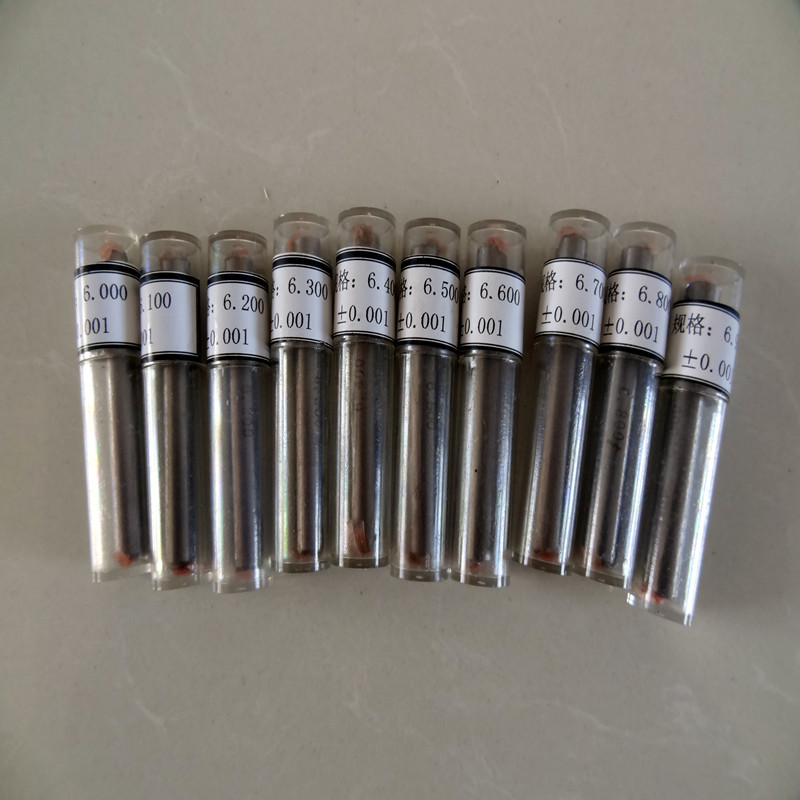
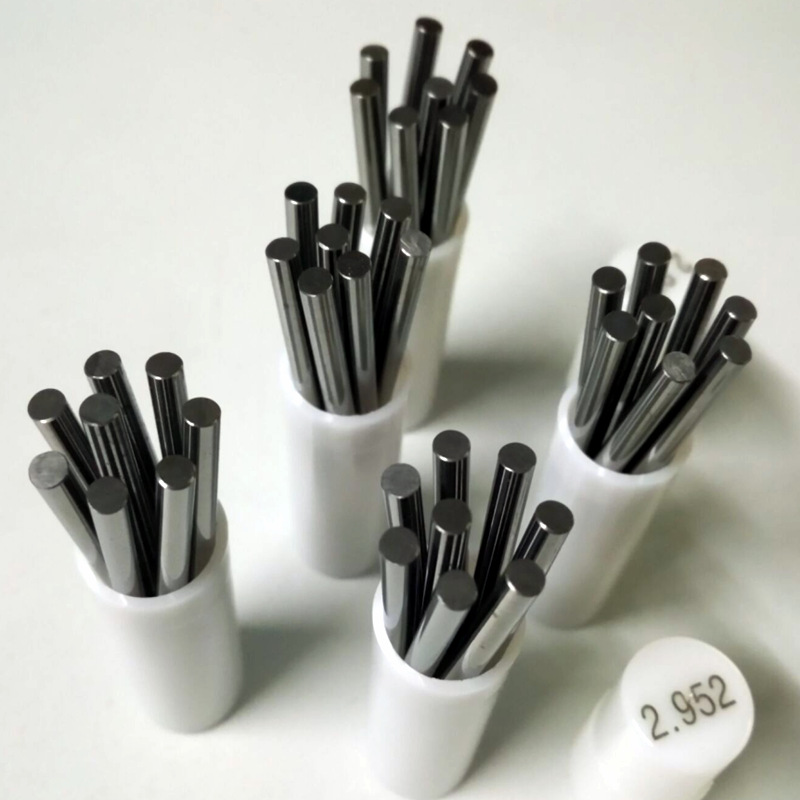
Understanding Pin Gauges in Metric Measurement Pin gauges are essential tools used in engineering and manufacturing, serving as a reliable means of measuring hole diameters and ensuring the accuracy of various components. In the metric system, pin gauges are designed with precise dimensions, allowing for standardized measurements that help maintain the quality and consistency of products. Understanding Pin Gauges in Metric Measurement When utilizing pin gauges in metric measurements, it is crucial to understand the differentiation between go and no-go gauges. A go gauge is intended to fit into the hole, confirming that the size is within acceptable limits. Conversely, a no-go gauge should not fit; if it does, this indicates that the hole is oversized and does not meet standards. This dual system is fundamental in quality assurance processes, ensuring that products are both functional and safe. pin gauges metric Pin gauges are made from durable materials, typically high-carbon steel, which can withstand repeated use while maintaining their accuracy. To preserve their precision, it is essential to handle these gauges carefully, avoiding any dropping or striking that could cause deformation. Regular calibration and maintenance of pin gauges ensure their longevity and reliability in delivering accurate measurements. In industries such as automotive, aviation, and manufacturing, the precision provided by pin gauges is invaluable. These sectors depend on tight tolerances and flawless engineering, where even the slightest deviation can lead to operational failures. By incorporating pin gauges into their quality control processes, manufacturers can uphold high standards, ensuring that every component meets the required specifications. In summary, pin gauges are a cornerstone of metric measurement, providing a straightforward yet robust solution for verifying hole sizes. Their reliability and ease of use make them indispensable tools in various industrial applications, highlighting the importance of precision in engineering and manufacturing. As technology advances, the principles behind pin gauges continue to be vital in ensuring quality across numerous fields.
-

High quality industrial productsagement

High quality industrial products
View Details -

Meet the diverse needs of customers

Meet the diverse needs of customers
View Details -

Strict quality control

Strict quality control
View Details -

Top raw materials

Top raw materials
View Details -

Trusted supplier

Trusted supplier
View Details
Our application
news and information
Y Type Strainer Cleaning Procedures
In industrial fluid systems, Y type strainers are essential components that effectively filter out i

V Block Design - Innovative Modular Solutions for Modern Spaces
Understanding V-Block Design in Modern Engineering V-Block design is a pivotal concept in modern eng
water valve which way is open
Understanding Water Valves Determining the Open Position Water valves play a crucial role in plumbin
 English